


Description
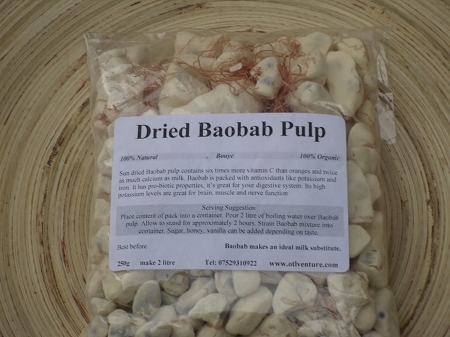
Every so often I’ll come across a new product at the grocery store in the supplement section labelled as a “Super Food”. The package usually contains multiple health claims advertising high levels of antioxidants, fiber, protein, etc. The product is usually derived from some exotic plant native to a country outside of the U.S. This marketing of “super foods” is nothing new. Some previous products marketed as “Super Foods” include quinoa, chia seeds, acai berries, and Goji berries. It’s easy to see how these clever marketing techniques can catch the eyes of an unsuspecting health enthusiast. The latest “Super Food” that has caught my eye is Baobab Powder. I will spend the rest of the article uncovering how accurate its proposed health claims are.

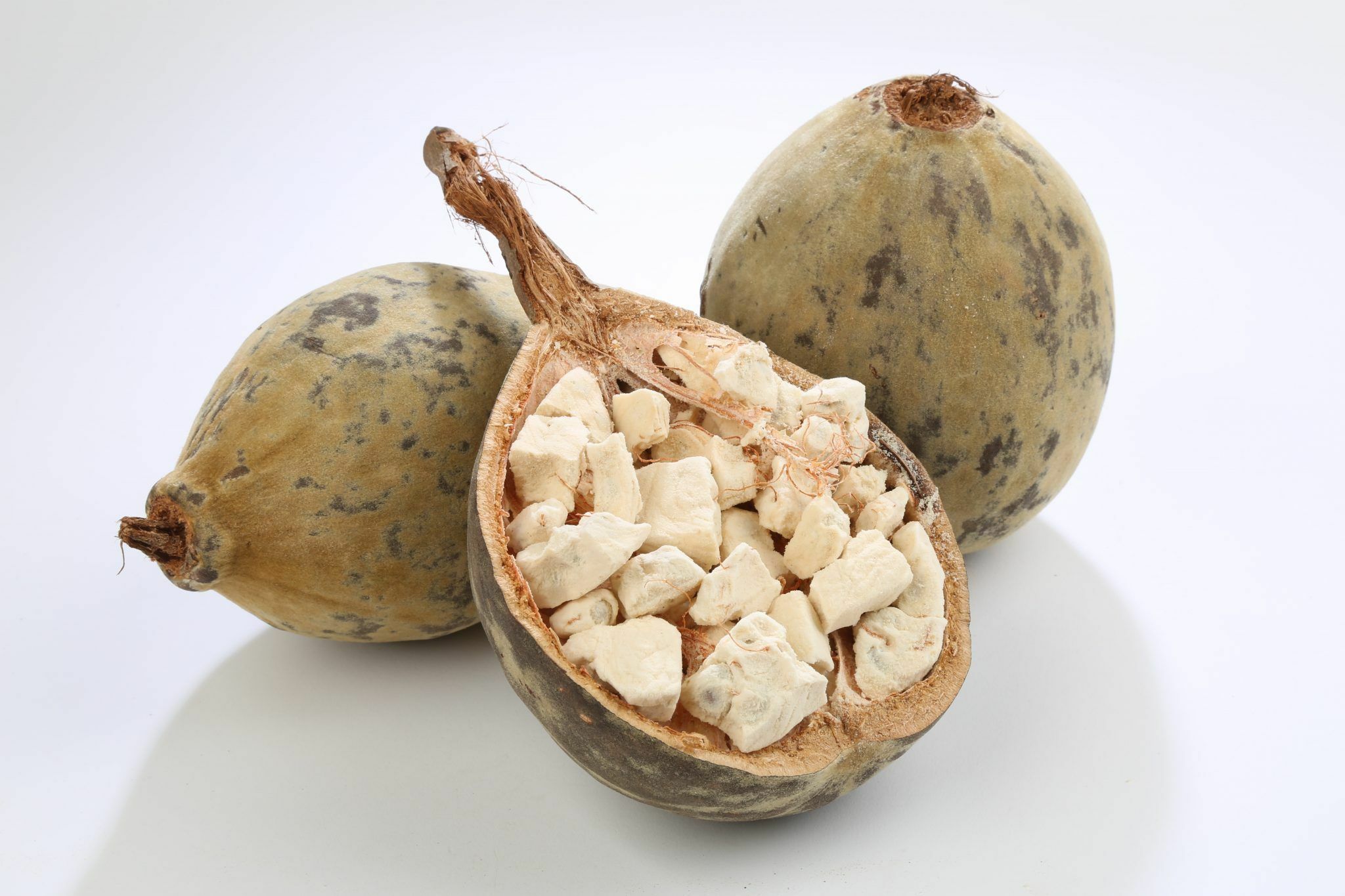
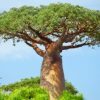
So what in the world in Baobab Powder?? Baobab Seed is derived from the fruit of a Baobab tree. This tree is native to Africa and has been known as the tree of life. This tree is very unique due to the fact that it’s reported to be able to survive up to 2000-3000 years, making it one of the longest living trees in the world. Different parts of the Baobab tree are used for various things. The bark is fire resistant and is often used to make rope and clothes, the leaves are used the make medicines, and the fruit is eaten as a local delicacy. Baobab is reportedly high in antioxidants, calcium, and vitamin C and has been associated with digestive health, blood sugar control, and immune function.
So from the sounds of it, it seems like this may actually be a “Super Food”. But as a nutrition enthusiast, I always have a pessimistic view point regarding health claims of food products that I’m not familiar with. I always want to know “why”, when a statement seems too good to be true. So let’s take a closer look that the health benefits that are reported on the package of Baobab Seed.